GOODMAN MASSON
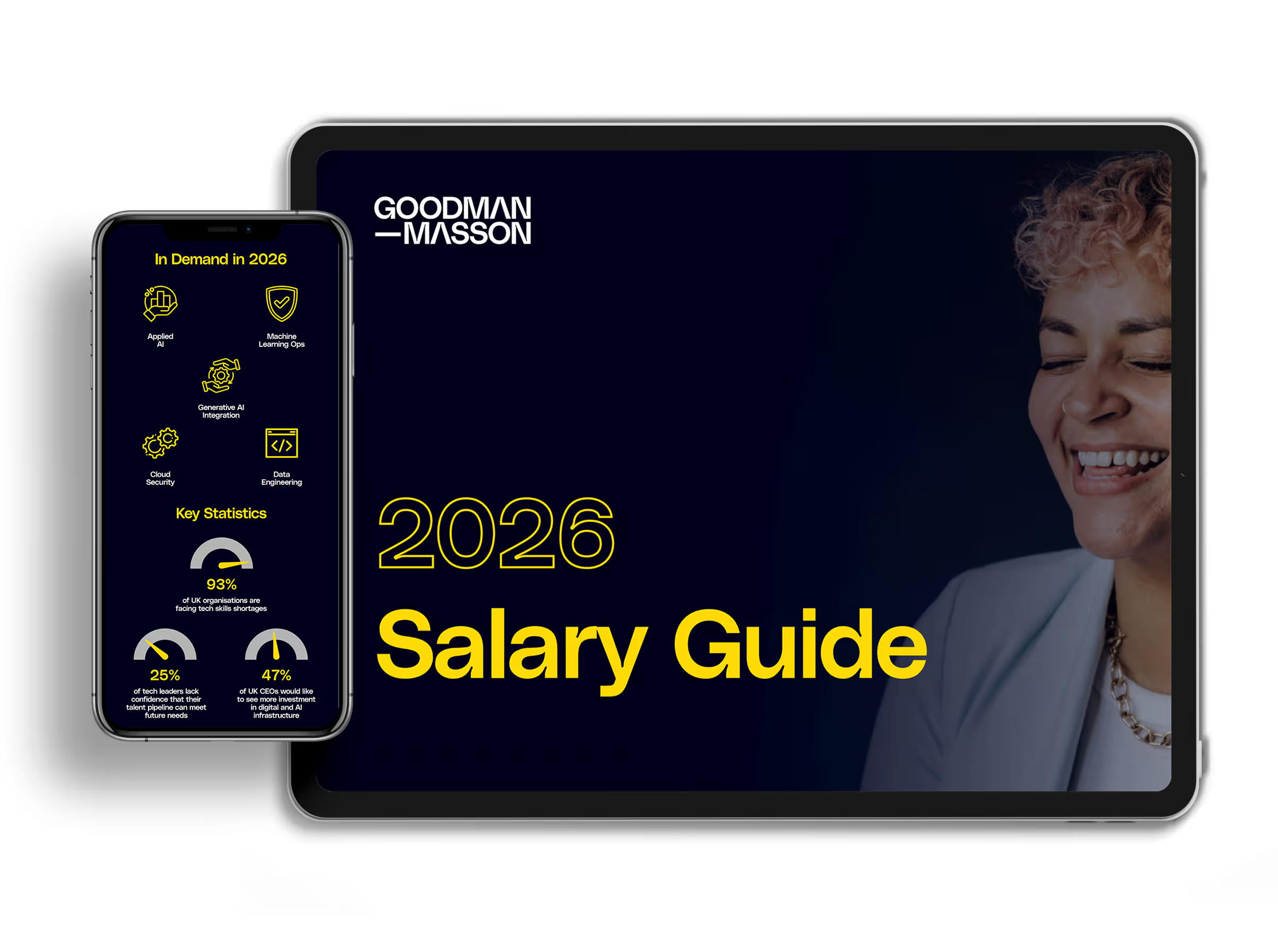
SALARY GUIDE 2026

SPECIALISMS
SPECIALISMS

A Good Guide to Great Salaries

Photo of a man in glasses.

Stay Ahead with the Goodman Masson Salary Guides 2026

Understanding market pay trends is essential in today’s competitive job landscape. Our 2026 Salary Guides provide up-to-date insights into salaries, day-rates, benefits, and hiring trends across key sectors.  Whether you’re negotiating a new role or benchmarking your team’s pay, this guide offers data-driven insights to help you make informed decisions. Stay competitive with the latest salary and day-rate trends and industry analysis.

UK Hiring Outlook 2026

The UK job market in 2026 is poised for cautious growth, if employers can balance opportunities with persistent challenges. Key hiring trends include:

  • Business confidence: A cautious economy tempered by inflation and rising costs mean hiring is selective, focused on key positions that can drive business strategy in line with goals.
  • Skills shortages: Demand for key skillsets that encompass AI, automation, and digital transformation is high across all sectors, continuing to outstrip supply.
  • Upskilling Expectations: Professionals are increasingly seeking opportunities to improve their skills in critical areas. Offering training and career development is a key differentiator.  
  • Regulatory Pressure: Complex and changing compliance requirements is driving a need for specialised knowledge in compliance, ESG reporting, and industry-specific regulations.

Businesses must adapt their hiring strategies to address critical skill gaps while responding to economic challenges.

An organically designed building.
A smiling woman using a tablet.

Salaries and Benefits

Salary expectations in 2026 reflect a market where businesses need to be strategic about compensation and benefits:

  • Modest salary increases: Salary growth has been moderate, with the highest boosts for talent with specialised skills in AI, automation, and digital transformation.
  • Total compensation: Employers are offering comprehensive packages that go beyond base salary to include a wide range of bonuses, benefits, and flexible options.
  • Flexible Work: Despite a push for in-office roles, employees continue to prefer hybrid models. Companies that can offer a balance will have a competitive advantage.
  • Professional Development: To fill critical gaps, employers are increasingly offering targeted career development that includes training, mentoring and funded qualifications.
a man in a red sweater and sunglasses

Good Data & Good Moves

Employers, need personalised insights?
Speak with one of our expert recruitment consultants.

Salary Resources and Insights

Download your 2026
Salary Guide

Frequently Asked Questions

What is a salary guide, and how can it help me?
Right arrow, white.
By providing up-to-date pay data across professions and industries, salary guides help employers set competitive salaries and professionals negotiate fair compensation based on market trends. Goodman Masson publishes salary guides tailored to accounting & finance, technology & change, banking & financial services, and public sector housing.
Where does salary guide data come from?
Right arrow, white.
We gather data from job postings and industry reports, as well as the thousands of conversations our consultants have with hiring managers and professionals each year. The figures provide an accurate picture of current pay rates and hiring conditions. You’ll find salary ranges by role and level of experience; salary variation factors including industry, region or geography, specialist skill set and other factors can impact salary. For insights tailored to your company or role, please speak with a Goodman Masson recruitment specialist.
How often should I refer to a salary guide?
Right arrow, white.
Checking a salary guide annually helps businesses and professionals stay aligned with market rates, particularly when hiring, budgeting, or negotiating pay increases. In periods of flux, you may wish to review on a quarterly or bi-annual basis.
How do I benchmark salaries?
Right arrow, white.
Compare salaries by job title, experience and industry using a salary guide or market data to ensure your compensation remains competitive.
How do job market fluctuations impact salaries?
Right arrow, white.
Job market fluctuations affect salaries based on economic conditions, demand for skills, and industry trends. In high-demand sectors, wages may rise due to talent shortages, while economic downturns or uncertainty can slow salary growth or lead to pay freezes. Regularly reviewing salary guides and market data helps businesses and professionals stay informed about pay trends and adapt to changing conditions.
What is the average UK salary?
Right arrow, white.
The average UK salary varies by role and industry and is updated in April of each year by the Office of National Statistics (ONS).
How do you use a salary benchmarking tool?
Right arrow, white.
Salary benchmarking tools, like Goodman Masson’s salary guides helps businesses and professionals compare pay rates for specific roles. By reviewing the job title, industry, and level of experience, you gain insights to assess salary ranges and trends. Use the data to adjust salaries, improve retention, and ensure competitive compensation. Regular benchmarking helps businesses attract talent by aligning pay with market expectations.
How can I use a salary guide in salary negotiations?
Right arrow, white.
Use salary guides, industry surveys, and recruitment data to assess how your pay structures compare to competitors and identify areas for improvement. We are also happy to provide you a tailored consultation to benchmark salaries based on specific roles or considerations unique to your business. Get in touch with one of our recruitment consultants.
How can I use salary data to improve employee retention?
Right arrow, white.
Offering competitive salaries and benefits based on market data reduces turnover, improves job satisfaction, and strengthens your employer brand. Other factors such as benefits, employee experience, working environment and relationship with their manager, among other elements, also impact retention.
How do salary guides account for inflation and market changes?
Right arrow, white.
Salaries featured in Goodman Masson’s salary guides are adjusted for inflation, demand fluctuations, hiring trends and employer-reported salary adjustments. They represent a current depiction of compensation offerings as provided by the end employer. However, they are not a cost-of-living index and instead focus on specific starting salaries in the market.
Is salary guide data always accurate?
Right arrow, white.
Salary guides provide estimates based on market trends, employer surveys, and industry data. While they offer valuable insights, salaries can vary by company, location, and individual circumstances. Goodman Masson is not responsible for any discrepancies, decisions, or outcomes related to salary negotiations or employment matters. Always consider multiple sources and professional advice when making compensation decisions.
Seeking new talent for your team?
Vacancy details
Submit Form
White right arrow.
*If you’re considering making more than 50 hires, get in touch with our Recruitment Process Outsourcing team who can help unlock the full potential of your talent acquisition strategy.
Thank you. We will be in touch with you.
If you have any more questions please contact us on info@goodmanmasson.com
Oops! Something went wrong while submitting the form.
A cross.